

Dry skin can significantly affect one in four people, and winter represents a particularly challenging period for skin health. Cold temperatures, dry air, sudden temperature changes, and the use of heating systems reduce environmental humidity and disrupt the skin barrier function. As a result, many individuals experience dryness, roughness, a feeling of tightness, scaling, reduced elasticity, and increased susceptibility to irritation and external aggressions. These symptoms not only affect skin quality but also patients’ quality of life.
Xerosis is a condition characterized by an alteration of the epidermal barrier and a decreased ability to retain water. In addition to the previously mentioned factors, it may also be influenced by internal factors such as age, stress, pre-existing conditions or aggressive hygiene habits, among others. In other words, xerosis worsens in winter due to environmental factors, but it is also caused by a progressive deterioration of the skin barrier.
In this context, a truly effective solution should not be limited to superficial hydration but should focus on repairing the skin barrier, restoring stratum corneum cohesion, and providing sustained hydration.
WHAT HAPPENS TO OUR SKIN WHEN THE BARRIER FAILS?
When the hydrolipidic mantle becomes imbalanced and the skin barrier is weakened, the skin tends to dry out and become more sensitive. This results in:
- Increased transepidermal water loss (TEWL)
- Depletion of essential lipids
- Reduced corneocyte cohesion
- Increased susceptibility to irritation, redness, and pruritus
During winter, the combination of cold outdoor air and indoor heating reduces environmental humidity. In addition, thermal changes alter the skin’s pH and promote water loss. For this reason, xerosis intensifies during this time of year and requires a comprehensive therapeutic approach.
WINTER AND DRY SKIN DO NOT HAVE TO GO HAND IN HAND
The Xeroskin medical protocol developed by Innoaesthetics demonstrates, through a laboratory-conducted clinical study, that a combined strategy (in-clinic treatment + home maintenance) is effective, safe, and well tolerated, providing objective improvements in:
- Hydration and barrier function
- Skin elasticity and quality
- Comfort and well-being
THE MOST EFFECTIVE APPROACH: COMBINING IN-CLINIC TREATMENT + HOME CARE ROUTINE
A complete protocol for dry skin should include:
- Gentle and controlled exfoliation to remove excess stratum corneum and improve skin renewal.
- Intensive rehydration through transdermal delivery to restore the hydrolipidic mantle.
- Home maintenance with specific products that consolidate the skin barrier, enhance the results obtained in-clinic, and prevent relapse, providing daytime protection and intensive nighttime repair.
This protocol combines professional in-clinic treatment and home maintenance, two complementary and inseparable phases that act progressively to restore the hydrolipidic mantle, reduce transepidermal water loss, and improve skin quality.
This is how Innoaesthetics guarantees real and long-lasting results.
OUR CLINICAL RESULTS: THE XEROSKIN PROGRAM IMPROVES BARRIER FUNCTION, HYDRATION, AND ELASTICITY
In a prospective study conducted in patients with dry and very dry skin, the efficacy and safety of the combined Xeroskin protocol were evaluated over a period of 3 months.
The protocol demonstrated a significant improvement in barrier function in the majority of patients, with a notable reduction in transepidermal water loss (TEWL), indicating an increased ability to retain hydration. Additionally, an increase in skin elasticity was observed, reflecting an improvement in the structural quality of the skin, with greater firmness and flexibility. In some cases, exceptional improvements were recorded, with particularly outstanding results in elasticity and TEWL reduction.
A key finding of the study is that the benefits are not limited to the in-clinic phase:
During the home maintenance month, results continued to improve, confirming that home care is essential to consolidate and prolong clinical outcomes. TEWL continued to decrease, and elasticity continued to increase even after professional treatment, demonstrating that the protocol has a cumulative effect and that maintenance is essential for long-lasting skin barrier repair.
WHAT DOES THE PROGRAM INCLUDE?
BEFORE, DURING & AFTER: IN-CLINIC TREATMENT + CONTINUITY AT HOME
In-clinic:
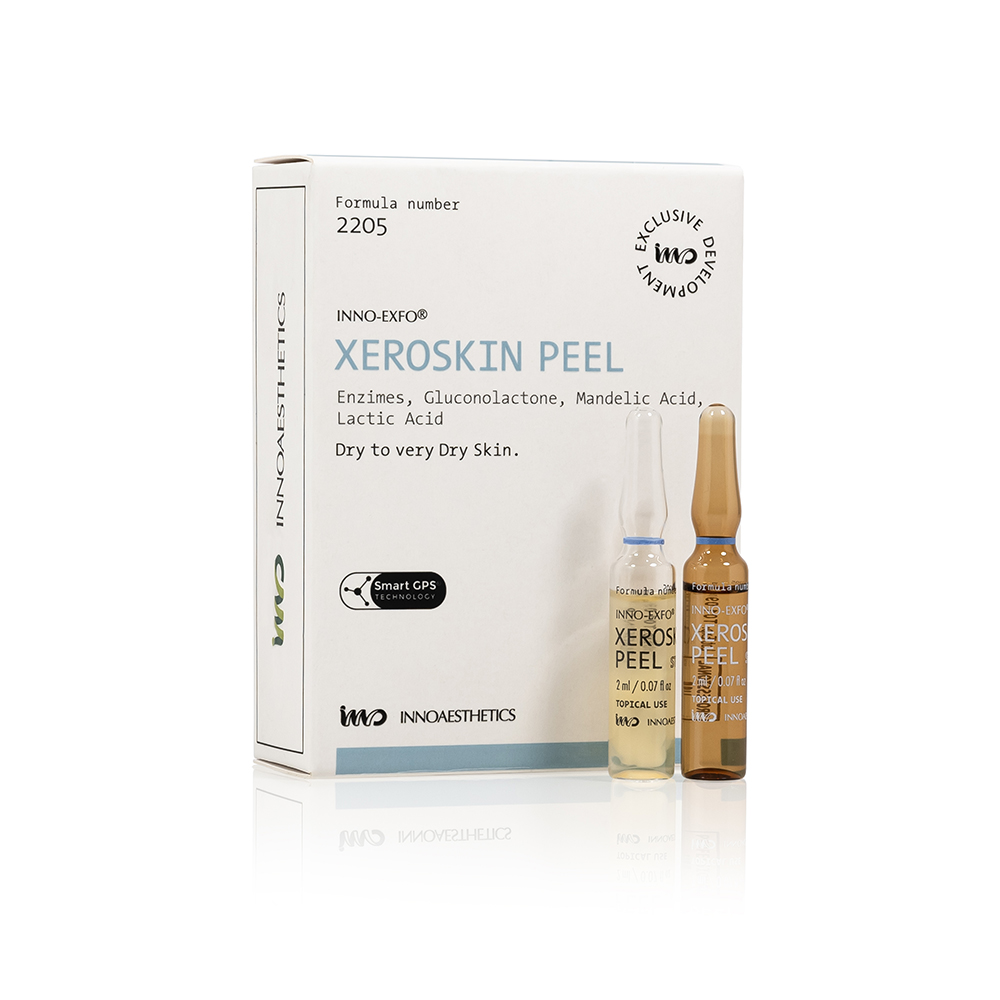
1.- INNO-EXFO® Xeroskin Peel
Gentle peel, specifically formulated for dry skin, that exfoliates without irritation and prepares the skin for the next step.
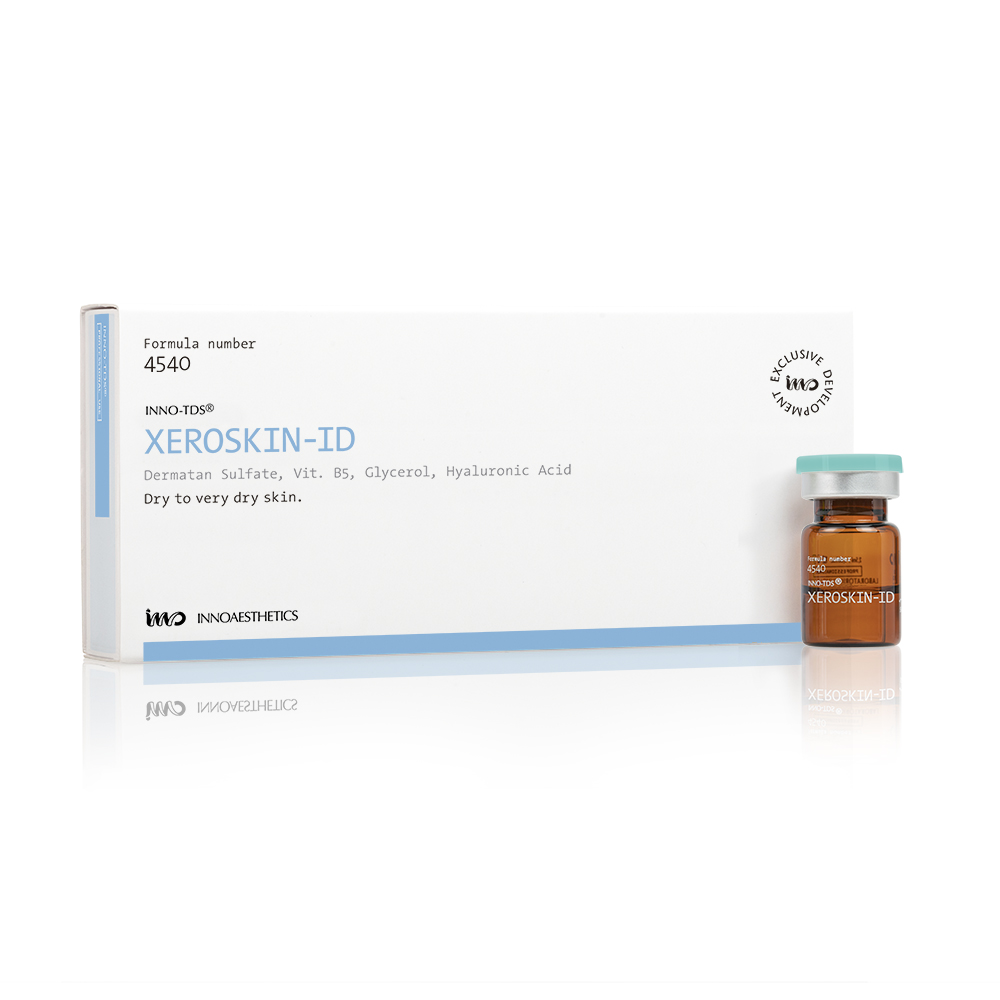
2.- INNO-TDS® Xeroskin ID
Intensive rehydration through transdermal therapy to restore the hydrolipidic mantle and improve skin elasticity.
At home:
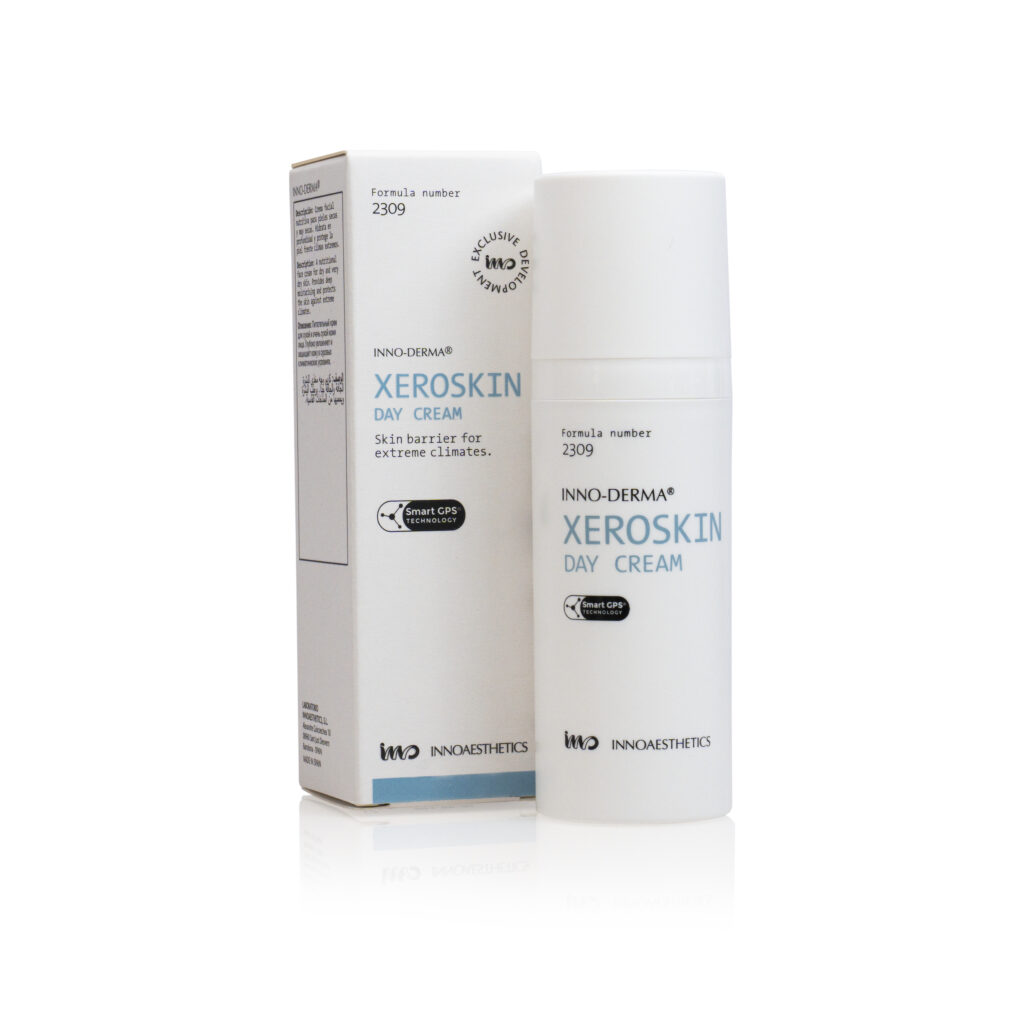
INNO-DERMA® Xeroskin Day Cream
Deep daily hydration and protection against environmental aggressors.
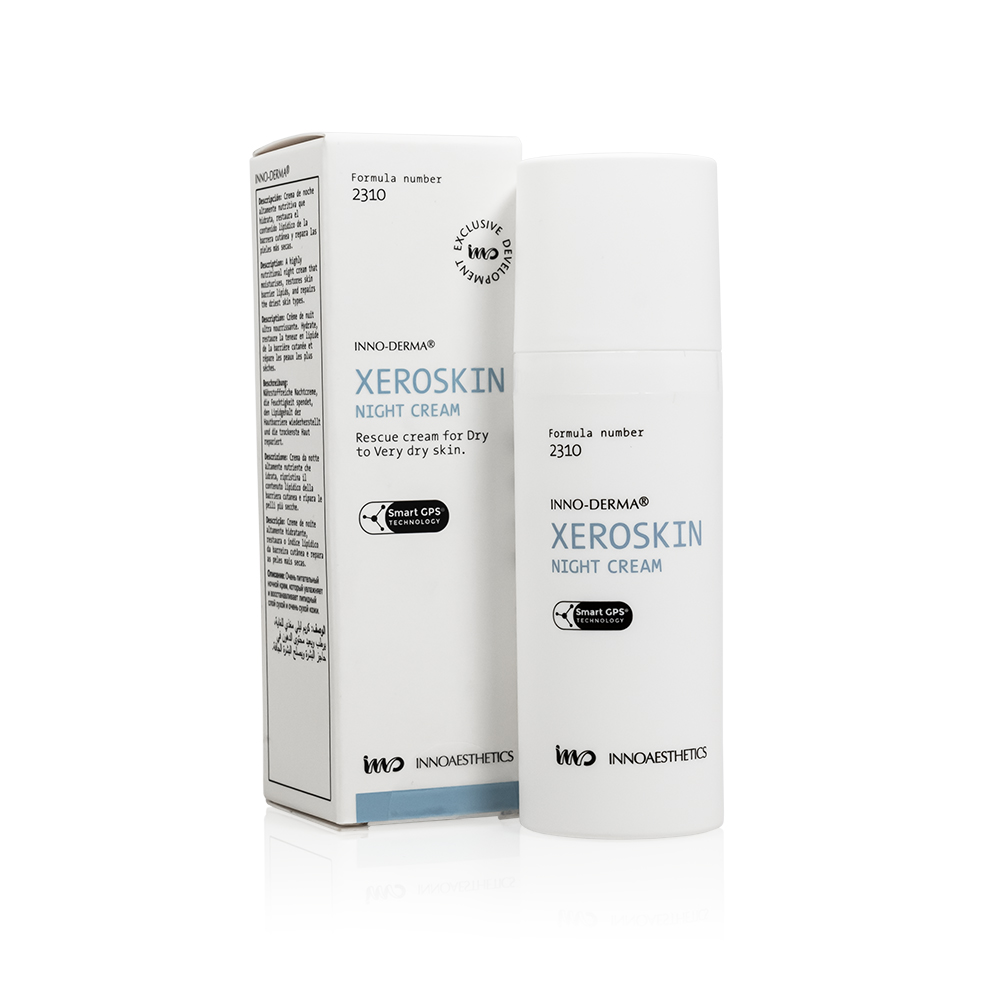
INNO-DERMA® Xeroskin Night Cream
Intensive night moisturizer that deeply nourishes the skin and restores the lipid content of the skin barrier, promoting intensive overnight repair during rest.
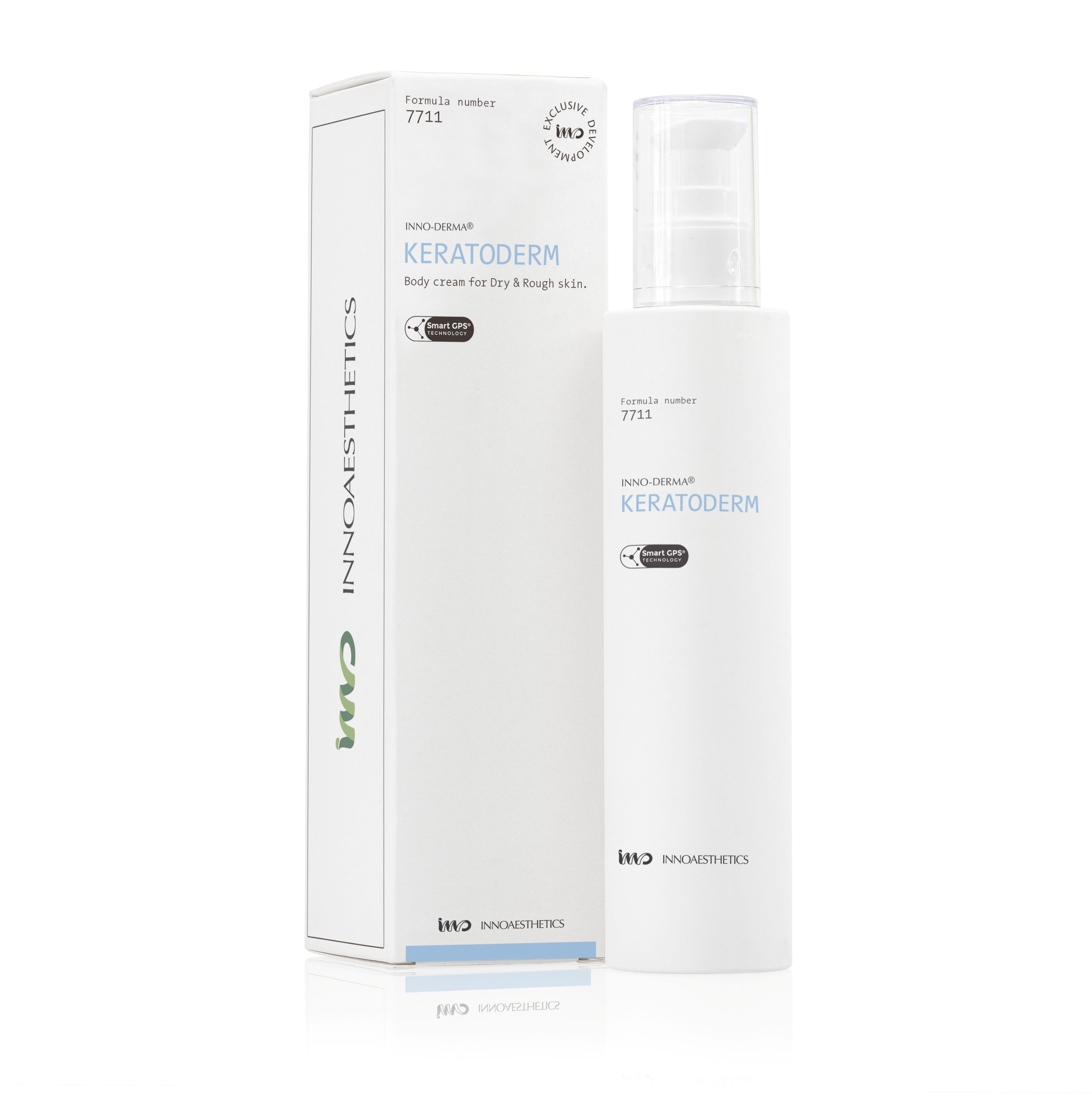
INNO-DERMA® KeratoDerm
Fast-absorbing body cream that provides intense hydration and nourishment.