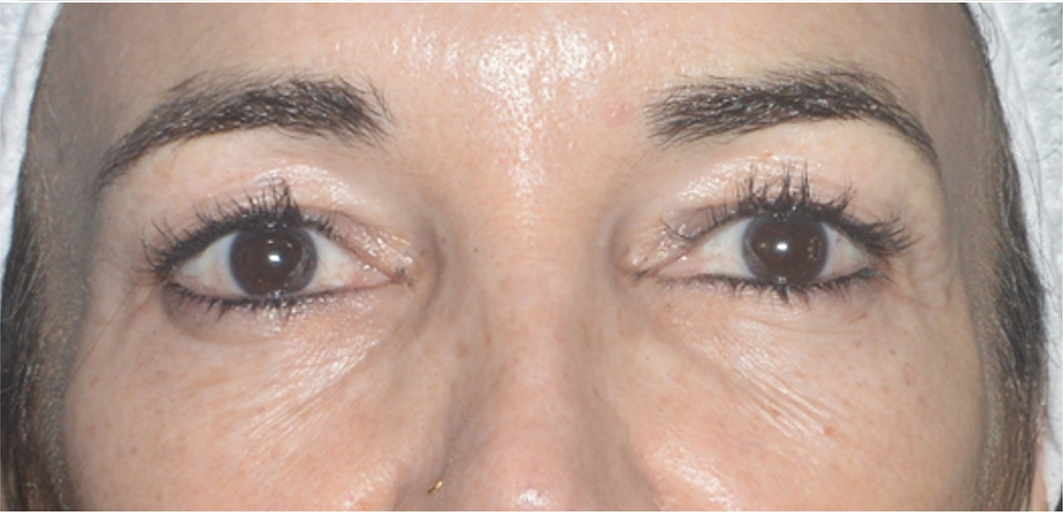
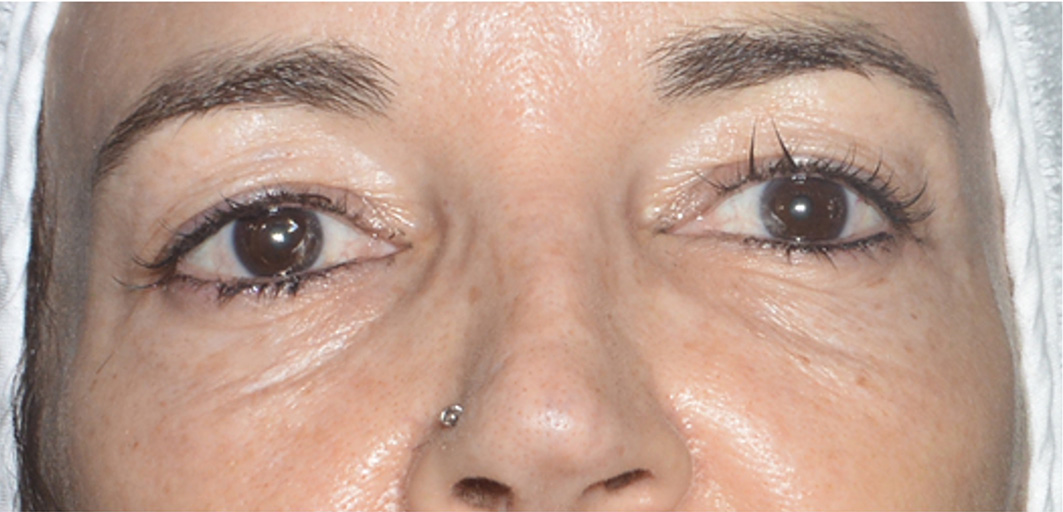
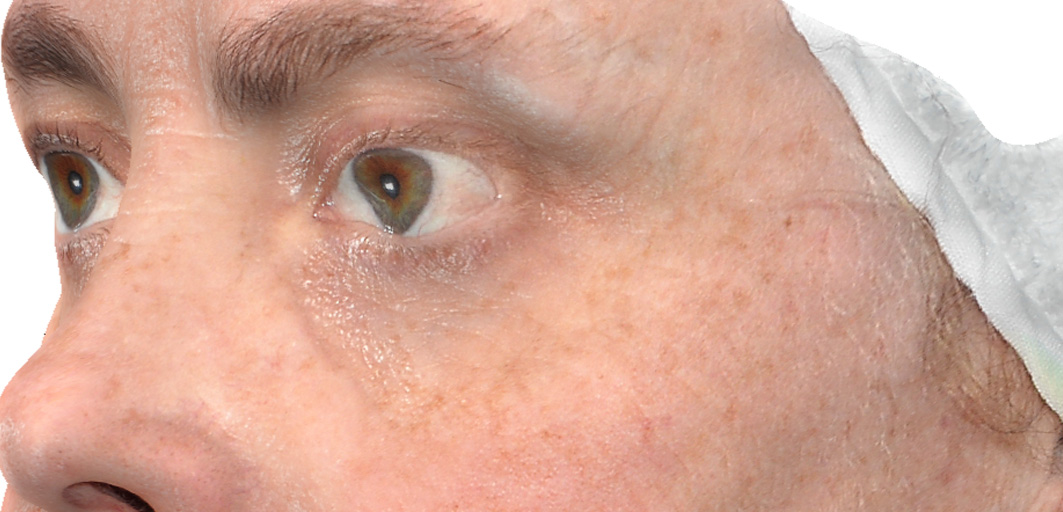
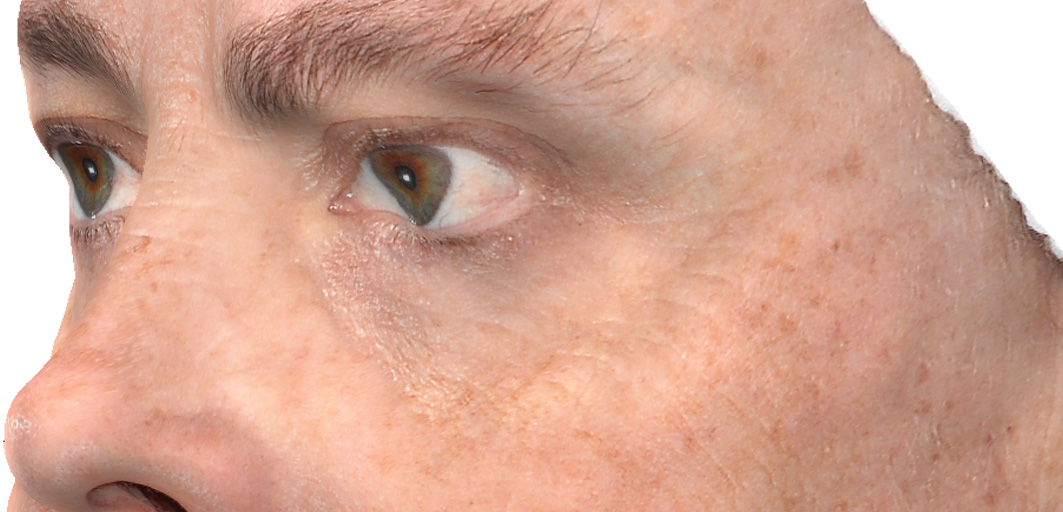
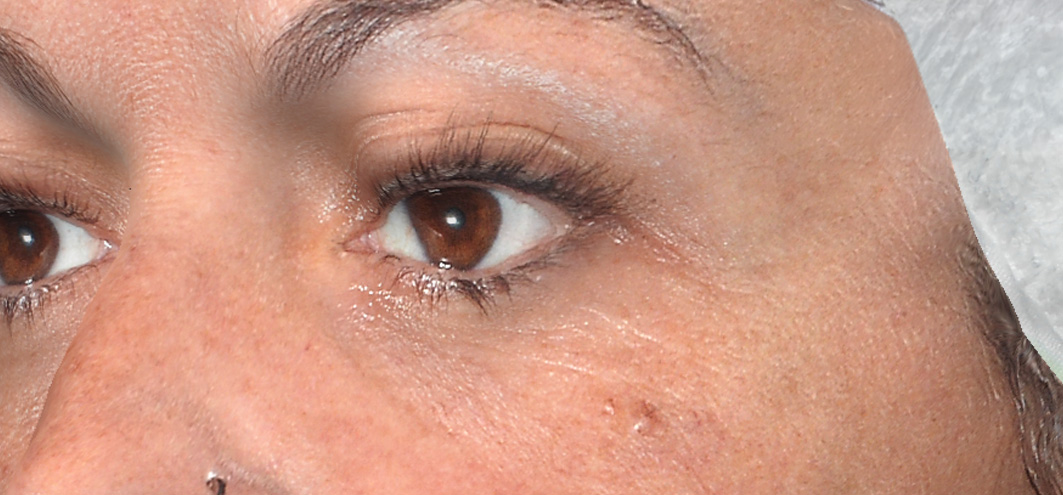
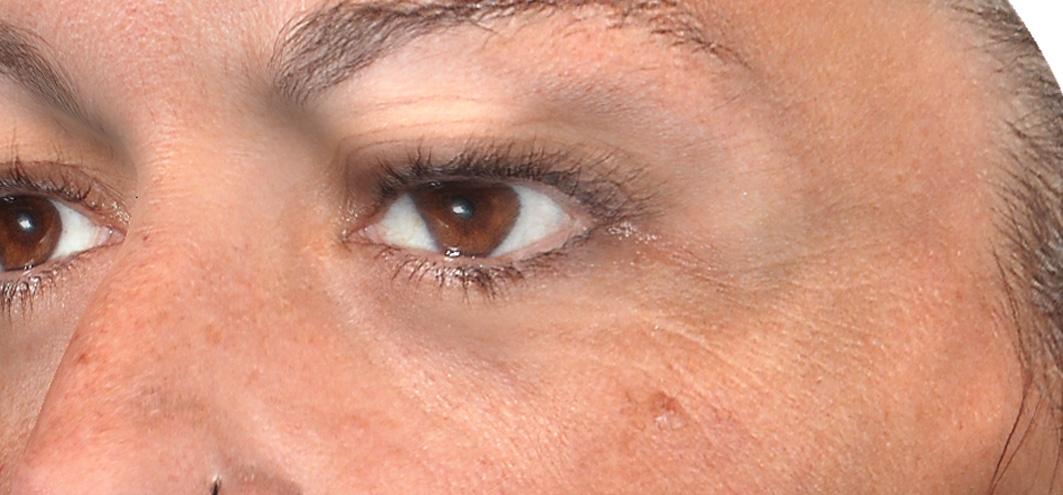
The periocular area is one of the most visibly affected regions in the
facial aging process — and one of the most challenging
to treat effectively and naturally. Due to its thin skin, constant dynamic
movement, and complex anatomical structure, it is
especially vulnerable to early aging, even in relatively
young patients.
With age, the skin around the eyes becomes thinner and more fragile,
leading to visible fine lines, loss of elasticity, and a tired,
shadowed appearance. Structural support is further compromised
by the weakening of the orbital and zygomatic ligaments, along with ptosis
of midface fat pads. Together, these changes create the impression of
fatigue, sadness, or premature aging — often more than in other facial zones.
Despite growing patient demand, this area remains one of the most
challenging to treat effectively. Volumizing dermal fillers
can easily lead to overcorrection, puffiness, or unnatural results, while
purely superficial treatments often fail to provide
visible long-term improvement.